
← All articles

Greater Tulsa Area · 5 min read

What Should I Know About Buying a Home With a Septic System or Well in Oklahoma?

Christina Shortsleeve, REALTOR®

The short answer

What should you know about buying a home with a septic system or well in Oklahoma? A septic system or well needs its own look before you buy. Every home should have a home inspection, and when a home has a septic system or a private well, a septic inspection and a water test are additional checks that answer questions the home inspection isn't built to answer. Plan for them early, because some water tests take time.

Whether you're buying in Tulsa, Broken Arrow, Jenks, Owasso, Collinsville, Coweta, Glenpool, or Catoosa, the same checks apply.

I'm Christina Shortsleeve, a REALTOR® with REMAX Results, and I help first-time buyers across the Greater Tulsa Area buy with a clear plan, including homes outside city services.
Why does a septic system or well need its own look?

Many homes outside city limits in the Greater Tulsa Area aren't connected to city sewer or city water. Instead, the home treats its own wastewater with a septic system, draws its own water from a private well, or both.

According to the Oklahoma Department of Environmental Quality (DEQ), maintaining an on-site sewage system is the homeowner's responsibility, and federal and state governments don't regulate privately owned wells in Oklahoma. Once you own the home, both are yours to look after, so it's worth knowing their condition before you commit.

What does a septic inspection look at?

An Oklahoma State University Extension fact sheet on septic inspections describes a septic system as connected parts: the plumbing fixtures inside, the drain pipes, the tank, and the soil where the treated water is dispersed. A problem in one part can show up in another. DEQ lists several system types, including subsurface systems with lateral lines, aerobic systems, and lagoons, and each is maintained differently. A septic inspection typically looks at:

  • The tank. How much solid material has built up and whether it's time to pump it.
  • The dispersal area. Signs of standing water, soggy ground, or patches of grass that are greener than the rest of the yard.
  • The parts that move. On systems with pumps, alarms, or sprinkler heads, whether each one is working.
  • The plumbing inside. A running toilet or a leaking faucet can send more water to the system than it was designed to handle.

What should you ask the seller about the septic system?

  • What type of system is it? The type tells you what kind of upkeep it needs.
  • When was it last pumped? DEQ's homeowner guide for subsurface systems says that under average conditions, a septic tank should be pumped every three to five years.
  • Is there a copy of the original inspection report? DEQ says the report from when the system was installed shows where the tank and absorption field are. If the seller doesn't have it, a copy may be available from the local DEQ office.
  • Has anything been repaired? And who did the work.

The seller's property disclosure asks about water and sewer systems, including the source of the home's water. My article on what to look for on a seller's property disclosure in Oklahoma explains how to read it.

What does a water test check on a private well?

DEQ recommends routine testing for a few of the most common contaminants on any private well. Its guidance for home sales says the most common tests requested for a purchase are total coliform and E. coli (bacteria), lead, and nitrate/nitrite.

Timing matters here. According to DEQ, testing can take from 2 days to 4 weeks depending on the test, and if coliform is found, the well needs time to be disinfected and retested, which can take several weeks on its own.

  • Schedule the water test right away. As soon as you're under contract, so the results come back while you still have time to act on them.
  • Ask your lender. DEQ notes that many mortgage lenders ask for some testing of well water before closing. Ask your lender which tests they need and how close to closing the results have to be.
  • Ask about the equipment. Ask the seller whether the well pump, pressure tank, or well casing has been repaired or replaced. DEQ recommends testing a well after that kind of work.

How do these checks fit into your inspection period?

Septic and well checks happen inside the same inspection period as your home inspection, so I help you schedule all of them as soon as your contract is signed. My article on what a home inspection covers in Oklahoma explains the home inspection itself, and my article on what happens if a home inspection finds problems in Oklahoma explains your options once the reports come in.

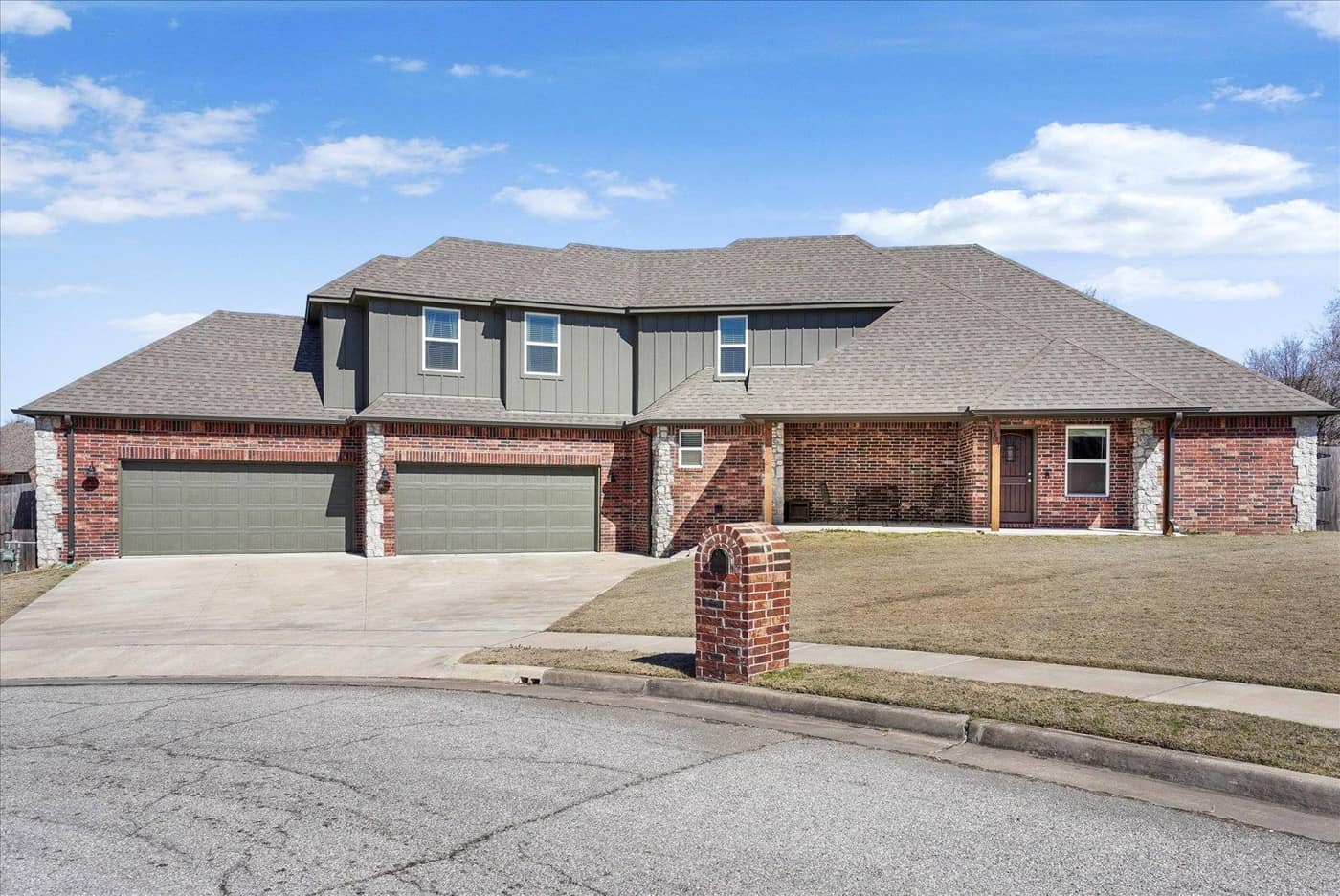
Exterior of a Broken Arrow home I sold

How do I help buyers with homes on septic or a well?

I use The Buyer Confidence System with every first-time buyer: Listen, Educate, Personalize, Guide, and Follow Through. If you're open to homes outside city limits, the Educate step is where I walk you through how septic systems and wells work before you're standing in a yard looking at a tank lid. Guide is where I help you line up the right checks the day you go under contract.

I recommend talking with an agent first, then a lender, and I'll walk you through the Purchasing Pathway so you know every step before you reach it.

What mistakes do buyers make with septic systems and wells?

  • Treating the home inspection as the whole picture. The septic system and the well water each need their own look.
  • Waiting to order the water test. Some results take weeks.
  • Not asking when the tank was last pumped. It tells you a lot about how the system has been cared for.
  • Assuming a newer system needs no check. Every home should be inspected, and so should its septic system and well.

Frequently asked questions

Do I need a septic inspection if the home already has a home inspection?

A septic inspection is an additional check. The home inspection looks at the home itself, and a septic inspection looks at the tank, the dispersal area, and how the whole system is working.

Who regulates private wells in Oklahoma?

According to DEQ, federal and state governments don't regulate privately owned wells in Oklahoma, so the owner is responsible for making sure the water is safe.

How long does a well water test take?

DEQ says testing can take 2 days to 4 weeks depending on the test, so schedule it as soon as you're under contract.

Will my lender require a well test?

It depends on your lender, so ask early which tests they need.

Where to start

If you're open to a home outside city limits, start with my page for first-time buyers in the Greater Tulsa Area, and when you're ready, send me a message. I'll walk you through the Purchasing Pathway, so you know what each step looks like before you reach it, septic and well checks included.

The method

Where this fits in how I sell