
← All articles

Greater Tulsa Area · 5 min read

What Should I Do If My Offer Gets Turned Down in the Greater Tulsa Area?

Christina Shortsleeve, REALTOR®

The short answer

A no on your offer doesn't end your search. If a seller turns down your offer, you have no contract on that home. Under Oklahoma's standard contract, earnest money is due within 3 days of a fully executed contract, so with no contract, you won't have that deposit tied up. From there, you can review what you offered, decide whether to write a new offer if the home is still available, and keep looking.

Whether you're buying in Tulsa, Broken Arrow, Jenks, Owasso, Collinsville, Coweta, Glenpool, or Catoosa, the next steps are the same.

I'm Christina Shortsleeve, a REALTOR® with REMAX Results, and I help first-time buyers across the Greater Tulsa Area buy with a clear plan.
What does it mean when an offer is turned down?

A seller can accept your offer, counter it, or decline it. An offer can also end on its own, because the Oklahoma contract has a line for the date and time it automatically ends.

A counteroffer isn't a no. It's the seller's response with different terms, and I'll walk you through the changes so you can decide how to respond.

Can you find out why the seller said no?

Sometimes. A decision can come down to the price, the terms, the timing, or another offer, and the seller's agent may or may not share which one.

Under Oklahoma law, some information stays confidential unless the seller consents or the law requires it, including the seller's reasons for selling and whether they'd accept less than what's being offered. So you may not hear the whole reason, and that's normal.

Can you make another offer on the same home?

Yes, if the home is still available. Before you write again, look at what would actually be different this time. Check the recent sales again, how long the home has been on the market, and what you already know about the home.

If the seller accepted another offer, I continue to watch the home's status while you keep looking. If it comes back on the market, you can decide whether to write again. Depending on the situation, a backup offer may also be an option.

My article on how to decide how much to offer covers what I review with you before an offer.

What can you change on your next offer?

Price is only one part of an offer. These can strengthen your next one:

  • A flexible closing date. Matching the seller's preferred timeline, when it works for you, can make your offer more appealing.
  • A pre-approval letter. I always attach one, and a fully underwritten pre-approval is even stronger.
  • A cover letter explaining the terms. It helps the seller and their agent understand your offer clearly.
  • Your request for closing cost help. It's a common request here. Whether it fits depends on the home and the competition.
  • An escalation clause, if there are multiple offers. It raises your offer by a set amount above a competing offer, up to a limit you choose.

My article on what a first-time buyer can negotiate besides price walks through the other terms in an offer.

Should you raise your budget?

Not because you're disappointed. Your offer should still make sense against what similar homes recently sold for, and against the monthly payment you're comfortable with. If you're wondering what's possible, ask your lender. The final decision on what to offer is always yours.

If you'd like to review how your numbers work, my article on how pre-approval works is a good place to start.

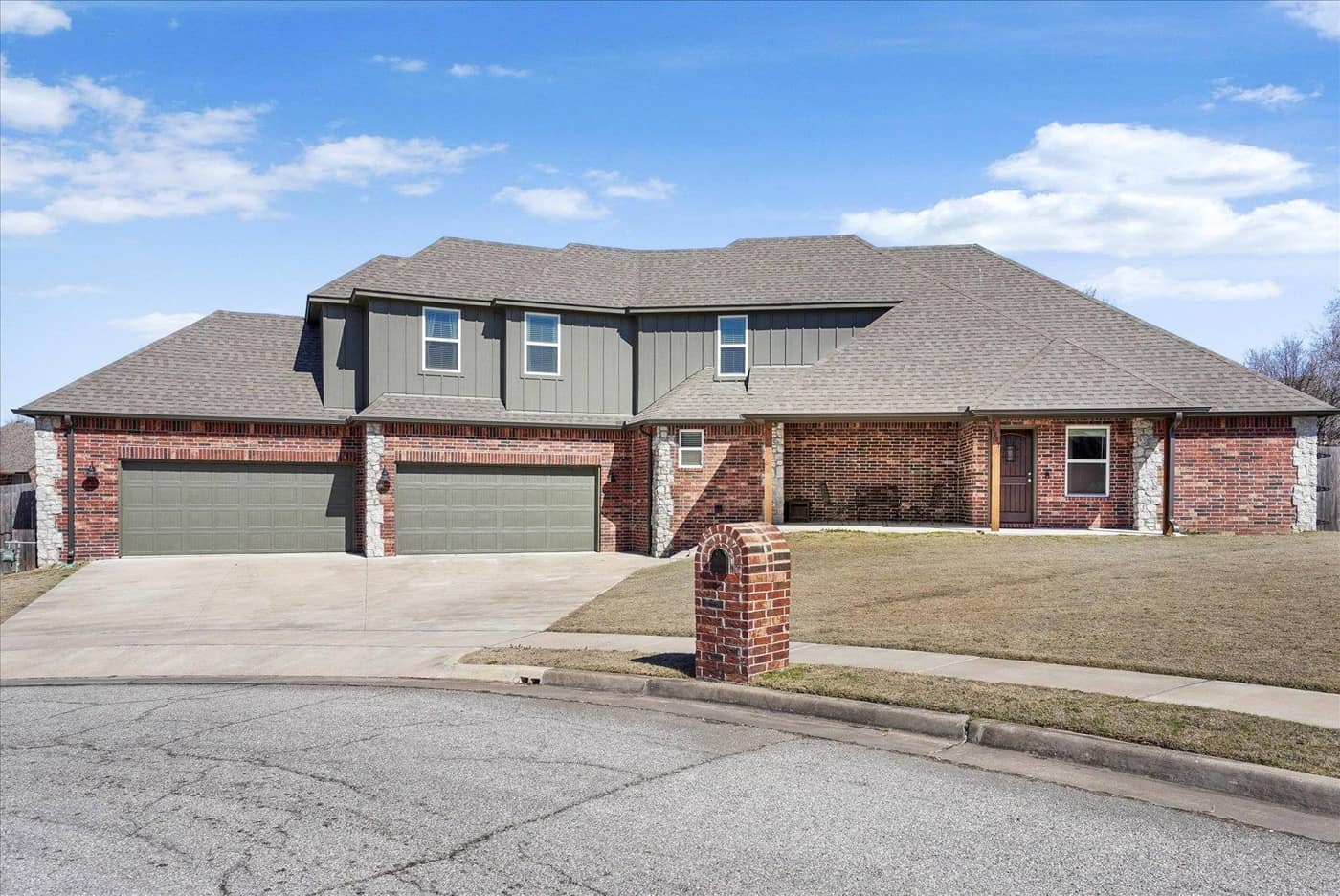
Exterior of a Broken Arrow home I sold

How do you keep looking without starting over?

You aren't starting over. You've already learned what you like, what you don't, and how an offer comes together. I keep notes on every home you tour, including what you liked and didn't, so those notes carry into your next showing.

Go back to your must-haves too. My article on how to make your first-home wish list can help you sort out what matters most. I recommend touring at least 3 to 5 homes before you write an offer, even if you love the first one.

The Purchasing Pathway, part of my Buyer Confidence System, shows each step of buying a home, so a turned-down offer is one step you can work through, not the end of the plan.

What mistakes do first-time buyers make after a no?

  • Taking it personally. A seller is weighing an offer's price, terms, and timing.
  • Overpaying on the next home to avoid another no. Your offer should still start with the recent sales.
  • Rewriting the same offer. If you write again, know what's different this time.
  • Waiving the inspection to compete. Every home should be inspected.
  • Stopping your search for too long. The next home may be a better fit than the last one.

Frequently asked questions

Do I lose my earnest money if my offer is turned down?

No. Under Oklahoma's standard contract, earnest money is due within 3 days of a fully executed contract. If there's no contract, it isn't due.

Can I make another offer after a seller says no?

Yes, if the home is still available. Decide what would be different in the new offer first.

Will the seller tell me why they turned down my offer?

Maybe. Some information stays confidential under Oklahoma law, including the seller's reasons for selling.

Is a counteroffer the same as a no?

No. It's the seller's response with different terms, and you can decide how to respond.

Should I offer more on the next home?

Only if the recent sales and your numbers support it. The decision is yours.

Where to start

If you're starting to think about buying, start with my page for first-time buyers in the Greater Tulsa Area. Talk with an agent first, then a lender. When you're ready, send me a message. I'll walk you through the Purchasing Pathway and adapt it to how you make decisions, so you know what to do at each step, including after a no.

The method

Where this fits in how I sell