
← All articles

Greater Tulsa Area · 6 min read

How Do I Choose Between Two Homes for My Next Move in the Greater Tulsa Area?

Christina Shortsleeve, REALTOR®

The short answer

How do you choose between two homes for your next move in the Greater Tulsa Area? Go back to the list of what your next home needs, compare the age of the big items in each home, drive both commutes at the times you'd really make them, see each home a second time, and ask your lender how the payments compare. Then look at how each one fits the timing of selling your first home. When two homes both fit, the details decide.

Whether you're upgrading in Tulsa, Broken Arrow, Jenks, Owasso, Collinsville, Coweta, Glenpool, or Catoosa, the same comparison applies.

I'm Christina Shortsleeve, a REALTOR® with REMAX Results, and I help first-time homeowners across the Greater Tulsa Area sell their starter home and buy the next one with a clear plan.
Why go back to your list first?

When two homes both feel right, it's easy to start comparing the things that caught your eye: the kitchen, the paint, the light in the living room. Those matter, and they're also the easiest things to change later.

Go back to the reasons you're upgrading. If you made a must-have list from what your first home taught you, put both homes next to it, line by line. My article on what to look for in your next home that you missed in your first explains how to build that list. For the comparison, ask one question about each item: which home meets it better, and could the other home be changed to meet it?

Layout, location, and lot are hard to change. A home that wins on those usually deserves more weight than one that wins on finishes.

How do the big items compare?

The roof, the heating and air, the water heater, the windows, and the structure are where two similar homes can be very different. Write down what you know about each:

  • The roof. When it was last replaced, if the seller knows.
  • The HVAC. The age of the system and when it was last serviced.
  • The water heater. Its age and condition.
  • The windows. Original or replaced, and how they open and close.
  • The structure. Anything that has been repaired, like the foundation or drainage around the home.

The seller's disclosure is a good place to start. My article on what to look for on a seller's property disclosure in Oklahoma explains how to read it. It comes from the seller, so it doesn't replace an inspection. Every home should be inspected, and the inspection happens after you're under contract on the one you choose.

How do you compare the size of the two homes fairly?

Square footage in a listing is a starting point, not a measurement you can count on. The Oklahoma Residential Sale contract says the buyer shall not rely on any quoted square footage and has the right to measure the property.

Instead of comparing two numbers, compare how the space works. Walk each home thinking about a normal weekday: where you'd drop your keys, where the laundry happens, where you'd sit in the evening. A smaller home with a better layout can live larger than a bigger one.

Why drive both commutes?

Two homes in the same town can mean very different drives, depending on which side of town they're on and which highway you use. Drive from each front door to the places you go every week, at the times you'd really make those trips, and write down how long each took.

My article on how to know if an area fits your life before you buy covers what to notice on those drives, and my article on whether your next home should be in the same area or somewhere new helps if the two homes are in different parts of the area.

What should a second visit focus on?

A second visit is where you compare, not fall in love. Go with your list and your notes from the first showing.

  • Look for what you didn't notice the first time. Open closets, check the water pressure, and stand in the yard.
  • Look at the outside. The gutters, the slope of the yard, and where water goes.
  • Visit at a different time of day, if you can, to see the light and the street at another hour.
  • Picture your furniture in each room. Bring a few measurements.

I keep notes on every home you tour, and on a second visit those notes help you compare the two homes side by side instead of from memory.

How do the numbers compare?

Two homes at similar prices can still mean different monthly costs. Ask your lender to compare the payment on each one, including taxes and insurance. If either home has an HOA, add the dues, and read what they cover. My article on what to check about an HOA before you buy explains what to look for.

It also helps to ask your insurance agent about each home, since the age of the roof and other items can make a difference, and to plan for what each home will need in the first few years based on the big items above.

My article on what a net sheet is explains the number on the other side of the decision: what you'll net from selling your first home.

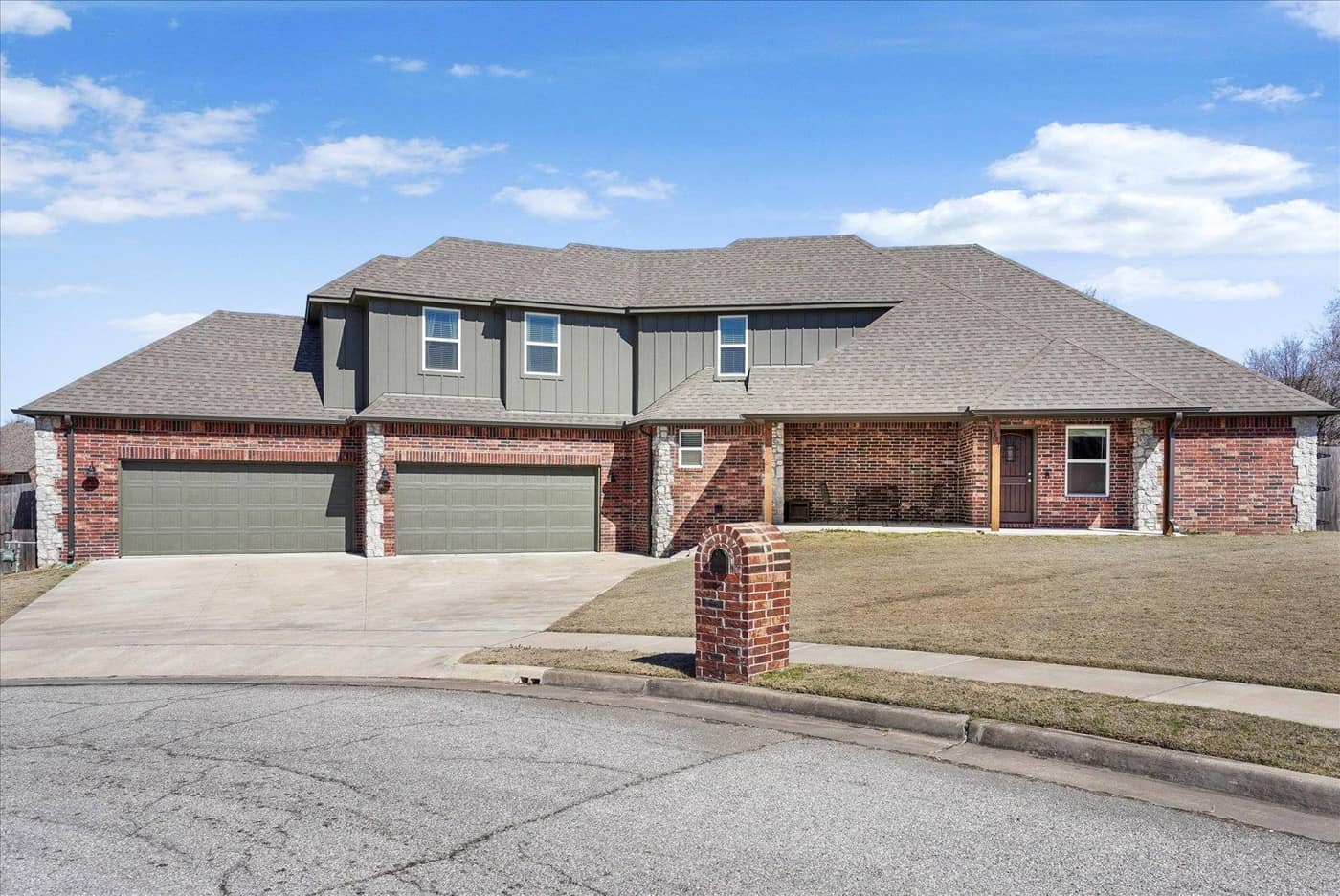
Exterior of a Broken Arrow home I sold

What about resale someday?

You don't need to predict the market to think about resale. Look at the things that tend to matter to any future buyer: a layout that works, a home that's been cared for, and a location you'd be glad to explain. If one home has a feature that's hard to live with, it may be just as hard for the next buyer.

How does each home fit the timing of your sale?

When you upgrade, your purchase is tied to your sale. One home may be vacant and flexible on its closing date, while the other's seller needs time. One may accept an offer that depends on your home selling, and the other may not.

Ask what each seller is hoping for on timing, and compare that to your plan for selling. My article on selling your starter home and buying the next one walks through the main ways to line up both moves, and my article on making an offer before your house sells explains how a contingent offer works.

How do I help homeowners choose between two homes?

I use The Next Chapter: A Home for What's Ahead with every first-time homeowner ready to upgrade: Discover, Run the Numbers, Choose the Path, Prepare and Position, and Coordinate the Move.

For this decision, Discover is the list of what your next home needs, so you're comparing both homes against something you decided before you fell for either one. Run the Numbers is where you and your lender compare the payments and I help you see what your current home may net. Choose the Path is how each home fits your sale. I'll lay out what I see, and the decision is yours.

What mistakes do homeowners make when choosing between two homes?

  • Choosing by finishes. Paint and fixtures change. Layout, location, and lot don't.
  • Comparing square footage only. Compare how each home lives.
  • Skipping the drive. Test both commutes at real times.
  • Guessing at the payment. Ask your lender to compare both.
  • Forgetting the timing of the sale. The right home has to fit your plan for selling, too.

Frequently asked questions

How do I decide between two houses I like?

Compare both against your must-have list, the age of the big items, the commutes, the monthly payment from your lender, and how each fits the timing of selling your current home.

Should I see both homes again before I decide?

Yes, if you can. A second visit with your notes helps you compare them side by side.

Can I trust the square footage in the listing?

Use it as a starting point. The Oklahoma Residential Sale contract says the buyer shouldn't rely on quoted square footage and has the right to measure.

Does the newer home always win?

Not always. Compare the actual age and condition of the roof, HVAC, water heater, and windows in each home.

Where to start

If you're deciding on your next home, start with a complimentary home value, and when you're ready, send me a message. I'll help you compare the homes on your list and fit the one you choose into your plan for selling, at a pace that works for you.

The method

Where this fits in how I sell