
← All articles

Greater Tulsa Area · 5 min read

Should My Next Home Be in the Same Area or Somewhere New in the Greater Tulsa Area?

Christina Shortsleeve, REALTOR®

The short answer

It depends on what your current home isn't giving you. If the location still works and you simply need more space, staying close can make sense. If the drive, the lot, or the type of home you want points somewhere else, a new area may fit better. The way to decide is to compare specific homes and specific drives, not town names.

Whether you're upgrading in Tulsa, Broken Arrow, Jenks, Owasso, Collinsville, Coweta, Glenpool, or Catoosa, the same questions apply.

I'm Christina Shortsleeve, a REALTOR® with REMAX Results, and I help first-time homeowners across the Greater Tulsa Area sell their starter home and buy the next one with a clear plan.
What is your current home not giving you?

Start with the reason you're upgrading. Most of the time it's one or more of these:

  • More space inside. More storage, a dedicated office, or a second living area.
  • A bigger yard. More outdoor space, a covered patio, or more land.
  • A shorter or different drive. A new job or a new routine has changed where you go every week.
  • A different type of home. A newer build, an older home, or a different layout.

If your list is mostly about space, the right home may be close by. If it's about the drive or the land, the answer may be in another part of the area. My article on how to know you've outgrown your first home covers the signs.

How does the commute change the answer?

Two homes in the same town can mean very different drives, depending on which side of town they're on and which highway you use. Before you decide on an area, check the drive from a specific house at the time you would normally make it, to the places you go every week.

My article on choosing where to live in the Greater Tulsa Area walks through the main routes for each town.

What should you compare between the two areas?

  • The lot. Different parts of the area offer different mixes of older homes, newer subdivisions, and homes with more land. Compare lot sizes from the listing, and ask about easements and any HOA rules.
  • The layout. Check whether the floor plans in each area match how you live, not just the square footage.
  • The age of the homes. Newer homes and established homes come with different updates and different upkeep.
  • The location. How close the home is to the places you go: work, shopping, and the activities that fill your week.
  • The school district, if it matters to you. Confirm it for each specific address. My article on Broken Arrow addresses and school districts explains why the mailing address alone may not tell you.

Does moving farther change how the sale and purchase work?

No. Whether your next home is two streets over or across the area, the steps are the same: you still sell one home and buy the other, and the timing still has to line up. What changes is how much time you'll want to spend touring and test-driving the new area before you write an offer.

That's why I start with Discover, the first step of The Next Chapter, my system for first-time homeowners ready to upgrade: Discover, Run the Numbers, Choose the Path, Prepare and Position, and Coordinate the Move. My article on selling your starter home and buying the next one covers the timing side.

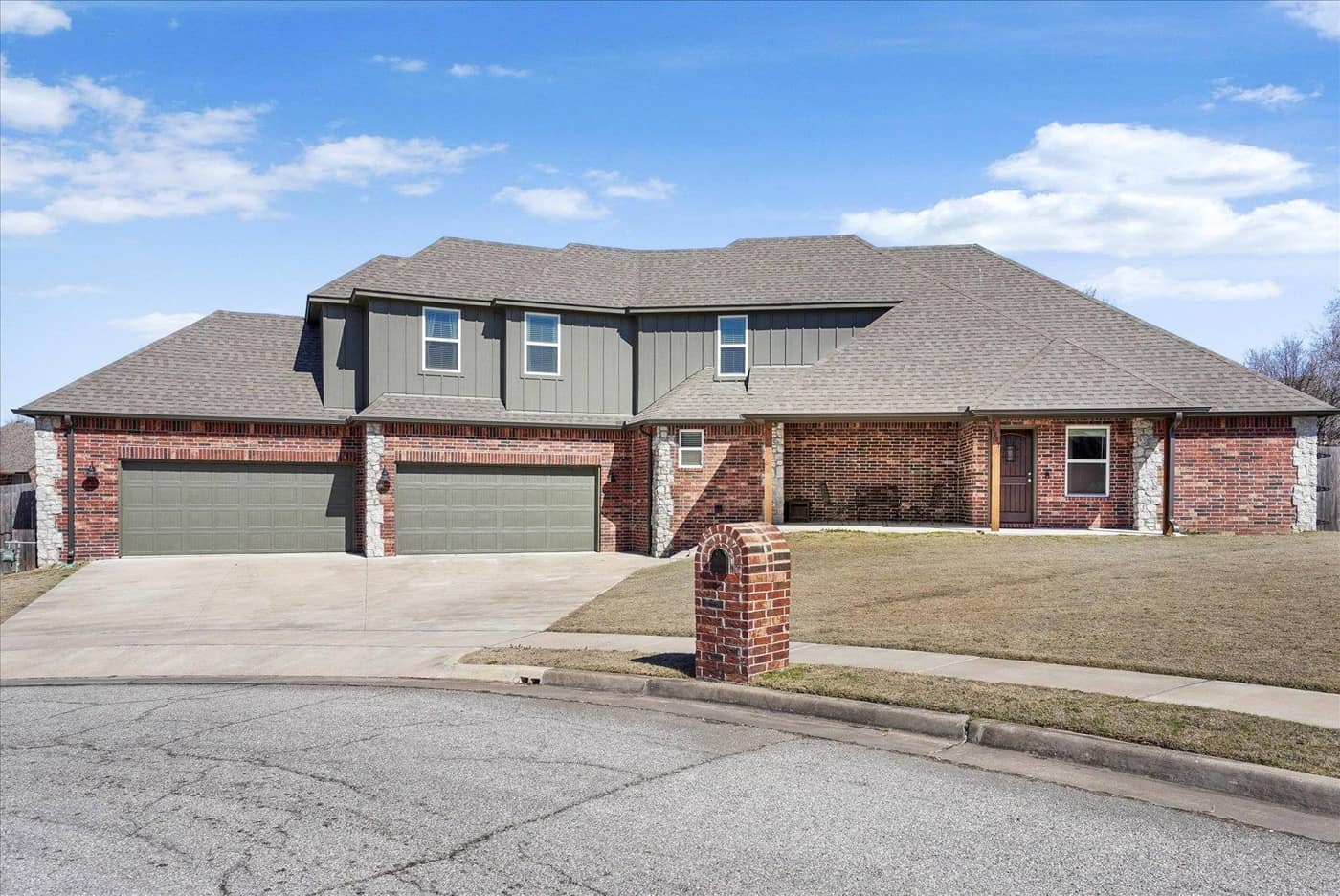
Exterior of a Broken Arrow home I sold

What mistakes do homeowners make when choosing where to move next?

  • Staying close only because it's familiar. If the drive or the lot is the problem, a nearby home may not solve it.
  • Moving farther without testing the drive. Check it at the time of day you would actually make it.
  • Choosing an area by name alone. Compare specific homes and specific drives.
  • Assuming the address tells you the school district. Check it for each home, if it matters to you.

Frequently asked questions

Should my next home be in the same area as my first?

It depends on what your current home isn't giving you. If you mainly need more space, staying close can work. If the drive, the lot, or the type of home points elsewhere, a new area may fit better.

How do I compare two areas in the Greater Tulsa Area?

Compare specific homes and specific drives: the commute at the time you'd make it, the lot, the layout, the age of the homes, and how close they are to the places you go.

Does moving to a new area change the selling and buying process?

No. The steps are the same. You may want more time touring and test-driving the new area before you write an offer.

How do I know which school district a home is in?

Confirm the district for the specific address. A town name in the mailing address doesn't always tell you.

Where to start

If you're thinking about upgrading, start with a complimentary home value, and when you're ready, send me a message. I'll help you sort out what your next home needs, then compare the areas that fit it.

The method

Where this fits in how I sell