
← All articles

Greater Tulsa Area · 5 min read

What Should I Look for in My Next Home If I Work From Home in the Greater Tulsa Area?

Christina Shortsleeve, REALTOR®

The short answer

What should you look for in your next home if you work from home in the Greater Tulsa Area? Look for a room with a door that you can set aside for work, a quiet spot away from the busiest parts of the home, good natural light, enough outlets, and internet service that's actually available at that address. Your next home has to work for your workday too, not only your evenings and weekends.

Whether you're upgrading in Tulsa, Broken Arrow, Jenks, Owasso, Collinsville, Coweta, Glenpool, or Catoosa, the same checklist applies.

I'm Christina Shortsleeve, a REALTOR® with REMAX Results, and I help first-time homeowners across the Greater Tulsa Area sell their starter home and buy the next one with a clear plan.
Why does working from home change what you need?

When you work from home, your home is also your office for most of the week. A layout that felt fine in your first home can start to feel tight when the kitchen table is your desk and every call happens in the same room as everything else.

That can be one of the signs it's time for the next home. My article on how to know you've outgrown your first home walks through the other signs.

The good news is that you already know what's missing. You've been working in your current home, so you can name exactly what bothers you: the noise, the light, the lack of a door, or the extra time it takes to set up and put away your work every day.

What makes a good home office space?

  • A room with a door. A door separates your workday from the rest of the home. A spare bedroom, a bonus room, or a flex room off the main living area can all work.
  • Room for your setup. Measure your desk, your chair, and any shelves or equipment you use. Check that they fit with space left to move around.
  • A spot you won't have to clear. If you take calls on camera, look at what's behind your chair. A simple wall or a bookshelf works better than a doorway.
  • Storage nearby. A closet in the office, or close to it, keeps files and supplies out of the way.

If you need more than one workspace, count the rooms that could work as an office before you fall for a home.

How do you check for noise?

Noise is easy to miss on a showing and hard to fix after you move in.

  • Where the office sits. A room away from the kitchen, the laundry, and the garage is usually quieter during the day.
  • Street noise. Stand in the room with the door closed and listen. A home on a busier street may be noisier at certain hours.
  • Mechanical noise. Notice where the heat and air unit, the water heater, and the laundry are, and how much you hear them from the office.
  • A second visit at your work hours. If you can, see the home during the hours you'd actually be working.

My article on how to know if an area fits your life before you buy explains how to check a street at different times of day.

Why does natural light matter so much?

You'll spend hours a day in this room, so light makes a real difference. Look at the size and number of windows, and notice which direction the room faces. A room that's bright in the morning may be dim by late afternoon, or the reverse.

Also look for glare. A window directly behind your screen, or directly behind you on a video call, can be hard to work with.

What about outlets and internet?

  • Outlets. Count the outlets in the room you'd use as an office, and notice where they are. You don't want every cord running across the floor.
  • Internet service at that address. Internet options can be different from one street to the next. Before you make an offer, look up the address on the FCC's National Broadband Map, which lets you search an address and see the providers that report offering service there. Then call or check with those providers directly to confirm what they offer at that exact address.
  • Cell signal. Check your phone's signal in the room you'd use for work, especially if you take calls on your cell.
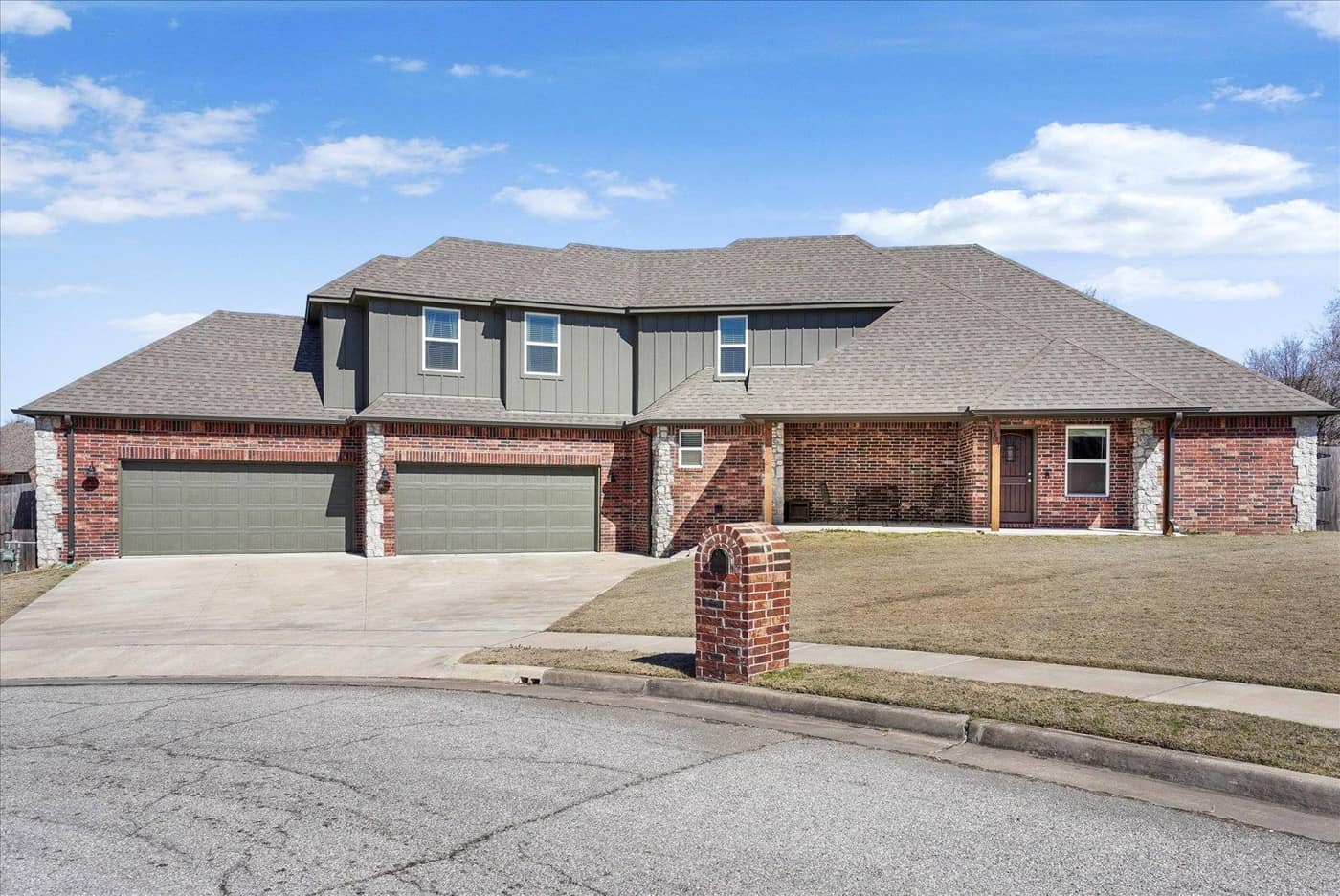
Exterior of a Broken Arrow home I sold

How do I help homeowners who work from home find their next home?

I use The Next Chapter: A Home for What's Ahead with every first-time homeowner ready to upgrade. It has five steps: Discover, Run the Numbers, Choose the Path, Prepare and Position, and Coordinate the Move.

Your workspace belongs in Discover. That's where you and I talk through what your next home needs, like a dedicated office, a quieter location, more space, or a shorter drive for the days you do go in. Run the Numbers shows what you'll net from your current home and what your lender says you can comfortably carry. My article on what a net sheet is explains that number.

Choose the Path decides whether you sell first, buy first, or make a contingent offer. Prepare and Position gets your current home ready to list, priced to position it for maximum interest, action and top dollar. I recommend a price, and you select it. Coordinate the Move lines up both closings, so your workdays aren't interrupted any longer than they need to be.

What mistakes do homeowners make when they work from home?

  • Counting bedrooms instead of looking at them. A small bedroom with one outlet and no window light may not work as an office.
  • Skipping the internet check. Look up the address and confirm service with the provider before you make an offer.
  • Ignoring where the office sits. A room next to the garage or laundry can be noisy during the day.
  • Only touring on weekends. Try to see the home at the hours you'd actually work.
  • Forgetting the other parts of the day. The office matters, and so does the rest of the home.

Frequently asked questions

What makes a good home office in a house?

A room with a door, good natural light, enough outlets, space for your setup, and a quiet spot away from the busiest parts of the home.

How do I find out what internet is available at a house before I buy it?

Look up the address on the FCC's National Broadband Map, then confirm with each provider what they offer at that exact address.

Can a flex room or bonus room work as an office?

Often, yes. Check for a door, natural light, outlets, and how much noise you hear from the rest of the home.

Should I see a home during my work hours before I make an offer?

If you can. Noise, light, and traffic can be different during the day than on a weekend showing.

Where to start

If you're ready to look for a home that works for your workday, start with a complimentary home value, and when you're ready, send me a message. I'll help you run your numbers and choose your path first, so you're touring homes that fit both your budget and your workday.

The method

Where this fits in how I sell