
← All articles

Greater Tulsa Area · 6 min read

What Should I Look for in Storage Space When I Downsize in the Greater Tulsa Area?

Christina Shortsleeve, REALTOR®

The short answer

What should you look for in storage space when you downsize in the Greater Tulsa Area? Look at where your everyday things, your seasonal things, and your hobby supplies will actually go: the closets, the pantry, the garage, the attic, and any built-ins. Measure what you're keeping, then check each home against it on the tour. Less square footage still needs a place for your things.

Whether you're downsizing in Tulsa, Broken Arrow, Jenks, Owasso, Collinsville, Coweta, Glenpool, or Catoosa, the same checklist applies.

I'm Christina Shortsleeve, a REALTOR® with REMAX Results, and I help downsizers across the Greater Tulsa Area plan their whole move before anything goes on the market.
Why does storage matter more in a smaller home?

In a larger home, extra things can live in an empty bedroom or a corner of the basement. In a smaller home, every item needs a real spot, or it ends up in the living room.

Sorting comes first. My article on what to do with everything you've collected before you downsize walks through deciding what to keep. This article picks up after that: once you know what's coming with you, how do you tell whether a home has room for it?

What should you check in the closets and pantry?

  • The primary closet. Open it. Notice whether it's a walk-in or a reach-in, how much hanging space it has, and whether there are shelves for folded clothes and shoes.
  • A coat closet near the door you'll use most. In many homes, that's the door from the garage.
  • A linen closet. Towels and sheets need a home that isn't the guest room.
  • The pantry. A walk-in pantry, a cabinet pantry, or none at all changes how much you can keep in the kitchen.
  • The kitchen cabinets. Count the drawers and open a few cabinets. Corner cabinets and high shelves hold less than they look like they do.

Take photos of each closet on the tour. After a few homes, closets blur together.

What should you look for in the garage?

For many downsizers, the garage does the work a basement or an extra room used to do.

  • The size compared to your vehicles. A two-car garage is not always roomy enough for two cars plus storage. Measure your vehicles and compare.
  • Wall space for shelving. Bare walls with room for shelves or cabinets can hold a lot. Notice where the water heater, the electrical panel, or the door into the house sit, since those walls stay clear.
  • Ceiling space. Overhead racks can hold seasonal bins, as long as the garage door track leaves room.
  • A storm shelter in the floor. If the home has an in-ground shelter in the garage, notice where it sits and how it affects parking and shelving.
  • Space for a workbench or tools. If you're keeping them, plan their spot now.

What about the attic?

Attic storage depends on how you reach it and what's up there.

  • The access. A pull-down ladder is easier to use than a small opening in a closet ceiling. Notice where the access is and whether you'd feel comfortable carrying a bin up the ladder.
  • Flooring. Some attics have decking where bins can sit. Others don't.
  • What you store there. The National Archives advises against storing papers and photographs in hot attics, damp basements, and garages, because heat and humidity are hard on them. After an Oklahoma summer, it's worth deciding which items stay inside the living space instead.

Your home inspection will look at the attic too. Every home should be inspected. My article on what a home inspection covers in Oklahoma explains what the inspector checks.

Where will your hobbies and seasonal things go?

This is where a smaller home is most likely to come up short.

  • Holiday decorations. Count your bins. Decide whether they go in the garage, the attic, or a closet.
  • Hobby supplies. Sewing, painting, woodworking, gardening tools, and sports gear each need a spot. My article on what size home to downsize to covers making room for the hobbies you love. Here the question is simply where the supplies will be stored.
  • Seasonal clothing. A spare closet, under-bed storage, or bins in a closet can keep off-season clothes out of the way.
  • Outdoor items. Patio furniture, the grill, and garden tools need a spot when the weather turns.

Built-ins can help: window seats with storage, shelving around a fireplace, a mudroom bench with cubbies, or cabinets in a laundry room. They're part of the home, so they don't take up floor space the way furniture does.

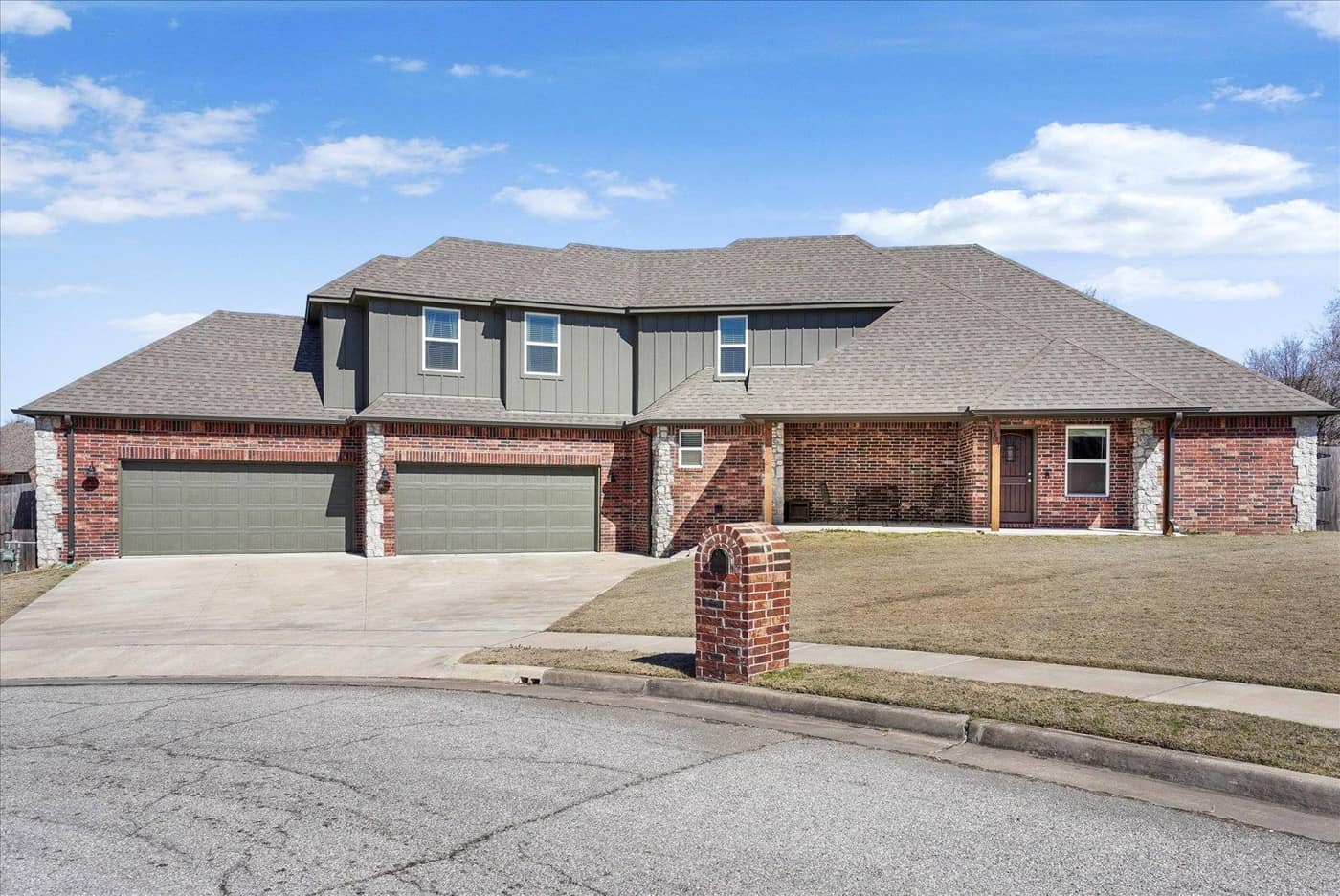
Exterior of a Broken Arrow home I sold

What if a home doesn't have enough storage?

You have a few options, and each one is worth thinking through before you buy, not after.

  • Add shelving and organizers. Closet systems, garage shelving, and overhead racks can add a lot of usable space.
  • A storage unit. Some downsizers rent one for a season while they finish sorting. It can help during the move. Think about whether you want an ongoing monthly cost for things you rarely use.
  • A shed. If the home is in a homeowners association, read the rules before you plan one. Association rules may cover sheds and other exterior structures. The Oklahoma Residential Sale contract lists restrictive covenants and mandatory homeowners associations among the reviews you can complete during your inspection period, and my article on what to check about an HOA before you buy explains when you receive the documents.

In a condo or townhome, ask whether the association provides any storage, like a storage closet or a garage space, and what the rules say about it. My article on whether a condo or 55-plus community is the right next move covers the other questions to ask.

How does storage fit into my Right-Size Transition System?

I use The Right-Size Transition System with every downsizer: Understand, Map the Move, Prepare, Coordinate, and Transition.

In Understand, you and I talk about what's coming with you, including the hobbies and seasonal things that don't show up in a room count. In Map the Move, that list becomes something I check with you at every showing. In Prepare, it helps you sort with a real home in mind, so you know what fits.

What mistakes do downsizers make with storage?

  • Looking at rooms and not closets. Open every closet and cabinet on the tour.
  • Assuming the garage holds it all. Measure your vehicles and your shelving first.
  • Storing photos and papers in the attic or garage. Keep them in the living space.
  • Forgetting seasonal and hobby items. Count the bins before you choose the home.
  • Planning a shed before reading the HOA rules. Check first.

Frequently asked questions

How do I know if a smaller home has enough storage?

Measure and count what you're keeping, then compare it to the closets, pantry, garage, attic, and built-ins of each home you tour.

Is attic storage a good idea in Oklahoma?

It can work for durable items like holiday decorations. The National Archives advises against storing papers and photographs in hot attics and garages.

Should I rent a storage unit when I downsize?

It can help during the move while you finish sorting. Think about whether you want an ongoing monthly cost for things you rarely use.

Can I add a shed if my new home is in an HOA?

It depends on the association. Read the rules for that specific home before you plan one.

Where to start

If you're thinking about downsizing, start with my page on downsizing in the Greater Tulsa Area, and when you're ready, send me a message. I'll help you plan where your things will go before you choose your next home, and map the whole move before anything goes on the market.

The method

Where this fits in how I sell